

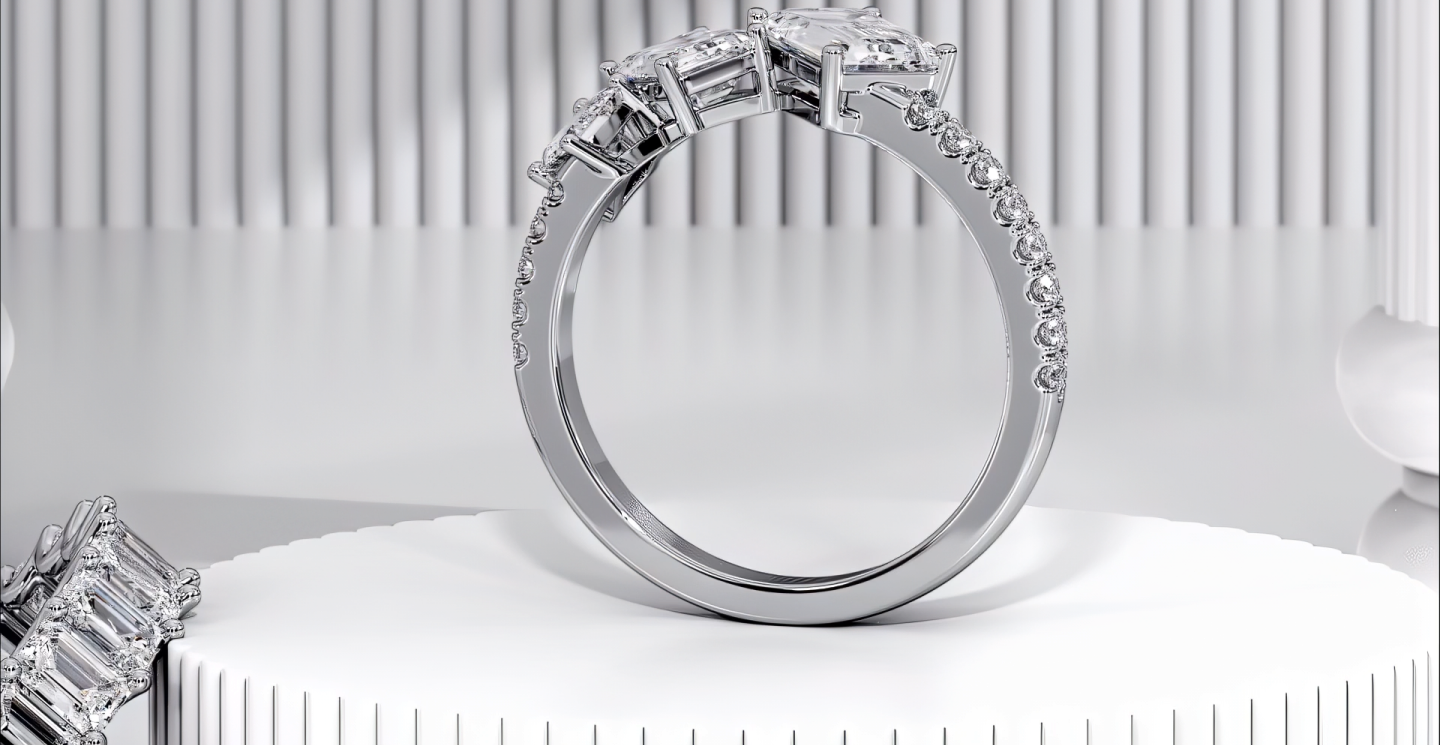
Lab-grown and natural diamonds share the same crystal structure, brilliance and durability. The main difference is their origin: natural diamonds form underground over a very long period, while lab-grown diamonds are created in controlled conditions using technology that reproduces the way diamonds form.
Start with the qualities you can see
Both types are evaluated using the familiar four Cs: cut, color, clarity and carat weight. Cut has the strongest influence on sparkle, so it is often the best place to begin. Then compare color and clarity grades in person or through clear, consistent product imagery.
Think about budget and size
Lab-grown diamonds can make a larger stone or a higher color and clarity grade accessible within the same budget. A natural diamond may appeal to someone who values geological rarity and traditional origin. Neither choice is automatically better; the right one should reflect what matters to the person wearing it.
Check the grading report
When a grading report is offered, review the carat weight, measurements, color, clarity and cut information before purchasing. The report describes the stone that was examined and helps you compare options consistently.
Choose the setting with equal care
The setting shapes the final look and protects the stone. Consider how high the diamond sits, how the prongs are arranged, which metal suits everyday wear and whether the ring will sit comfortably beside a wedding band.
If you are still deciding, compare two pieces with similar grades and focus on the design you would be happiest to wear every day.